Opening of the K 20 to traffic: mega-project completed seven months ahead of schedule
28 September 2026
-
-
-
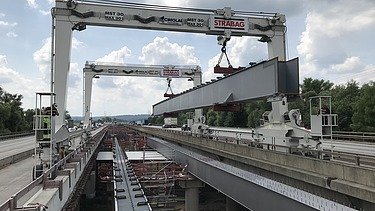
- STRABAG and ZÜBLIN complete major bridge construction project ahead of schedule
- Expansion of a major transport route from six to eight lanes
- BIM used on a large scale in bridge construction for the first time
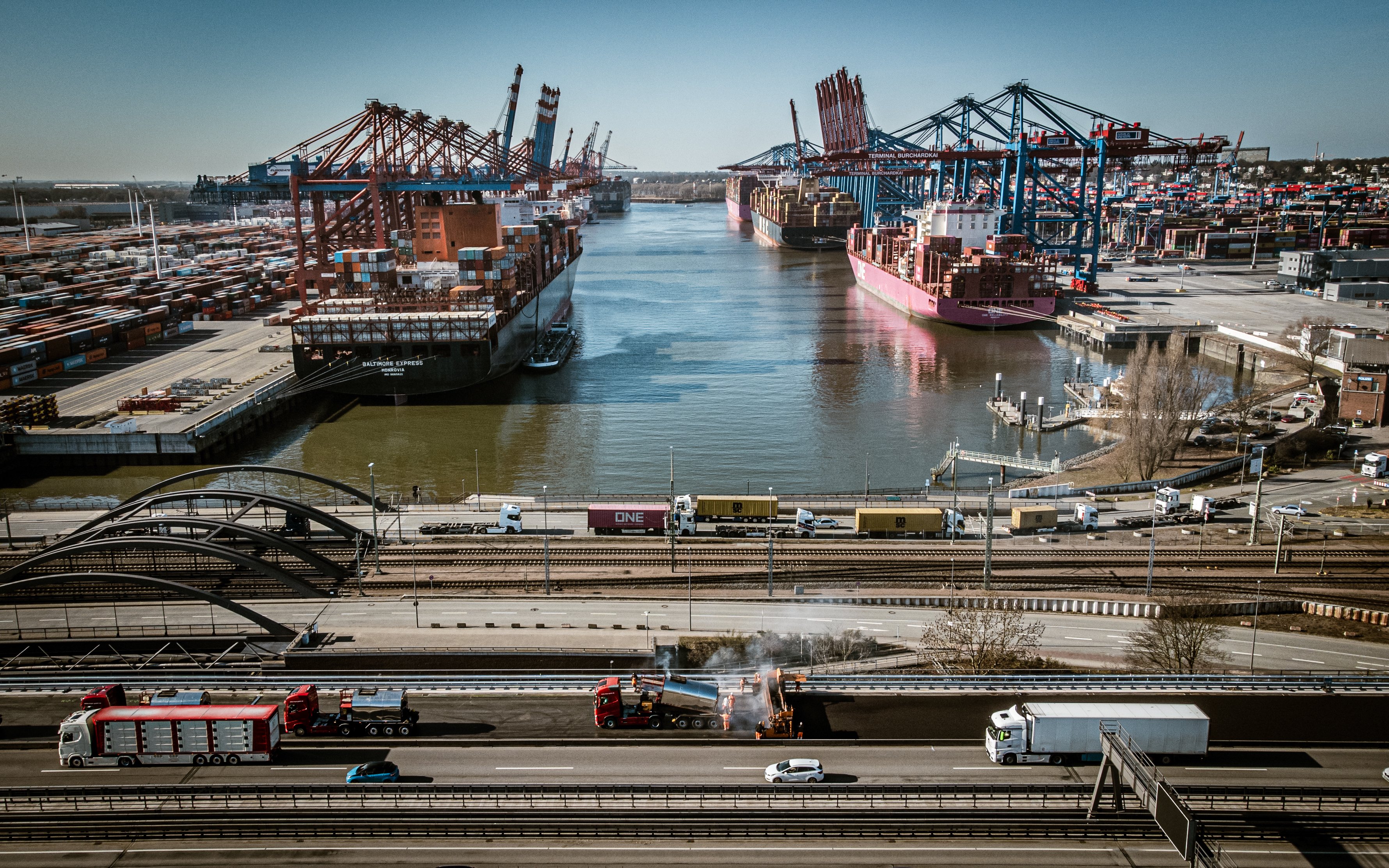
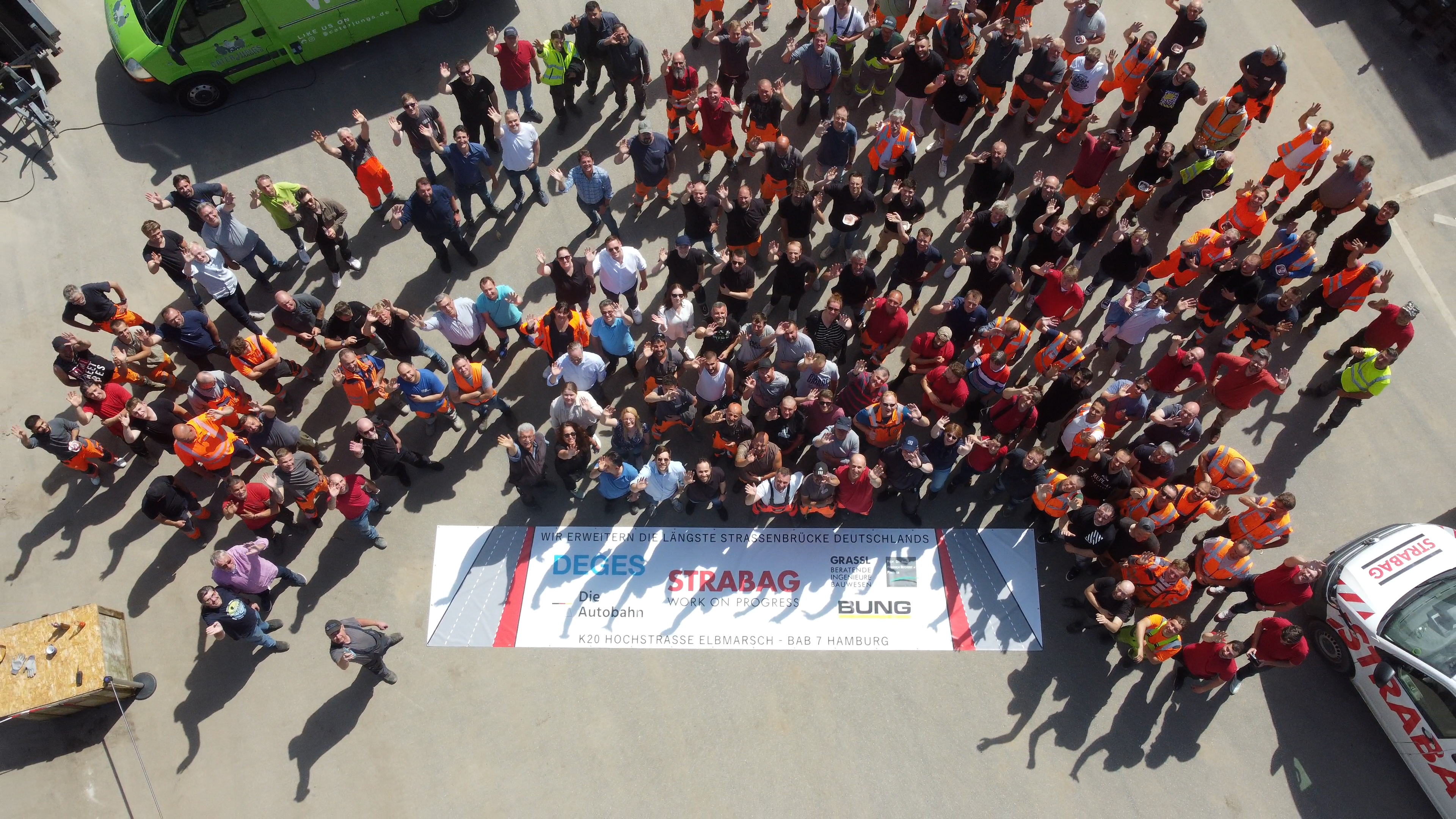
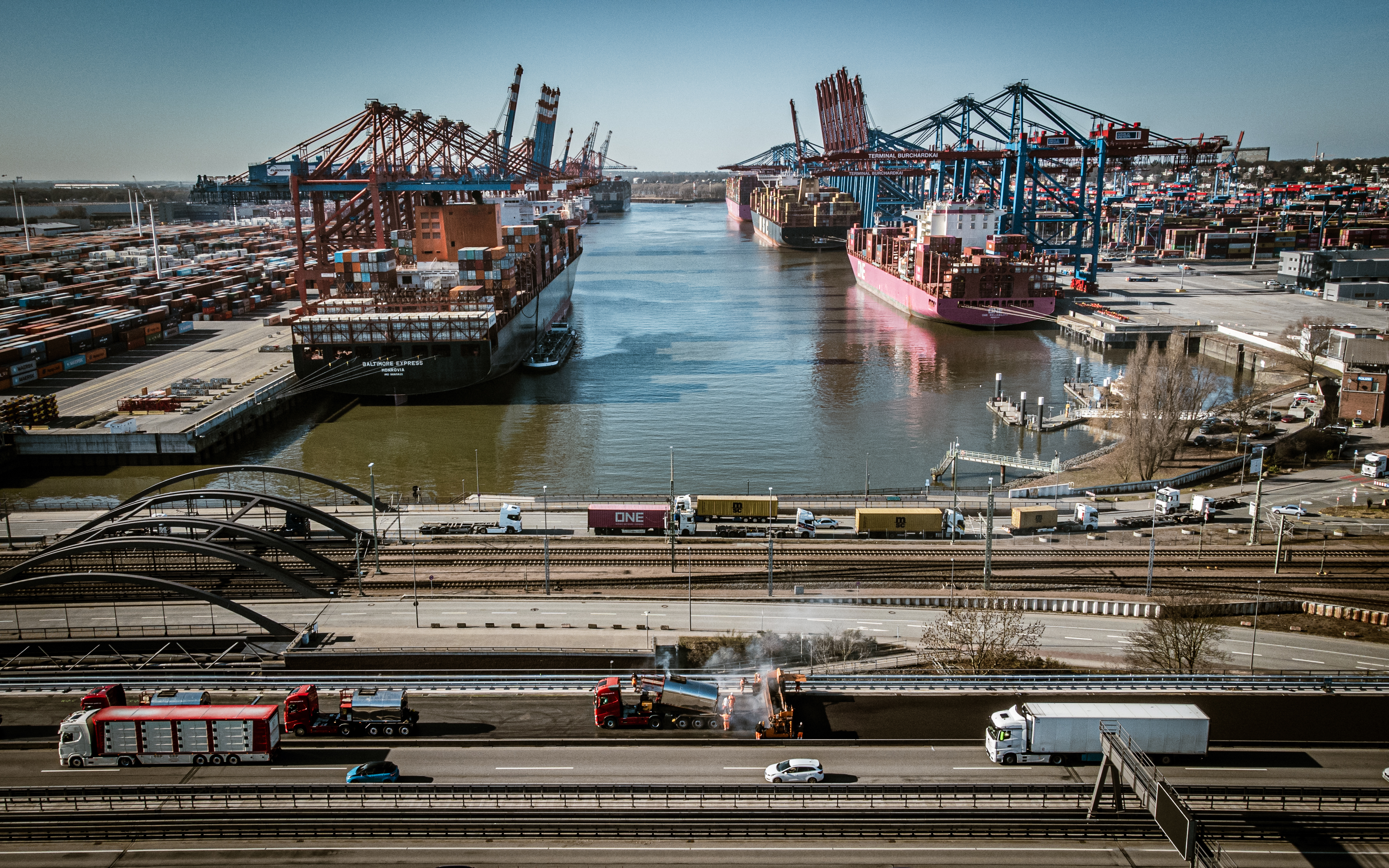
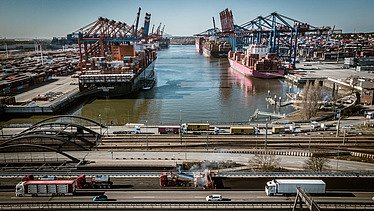
The K 20, one of Germany’s most technically and logistically challenging motorway projects, has been opened to traffic – seven months ahead of schedule thanks to the use of innovative solutions. On behalf of DEGES, STRABAG has been widening the Elbmarsch viaduct – part of the A 7 – from six to eight lanes since 2020. On Saturday 26 September 2026, the section was officially opened to traffic in the presence of Federal Minister of Transport Steffen Bilger. The Elbmarsch viaduct is Germany’s longest motorway bridge. It runs through the Port of Hamburg, which is one of the most important transhipment hubs for international goods traffic.
Complex bridge construction whilst traffic continues to flow
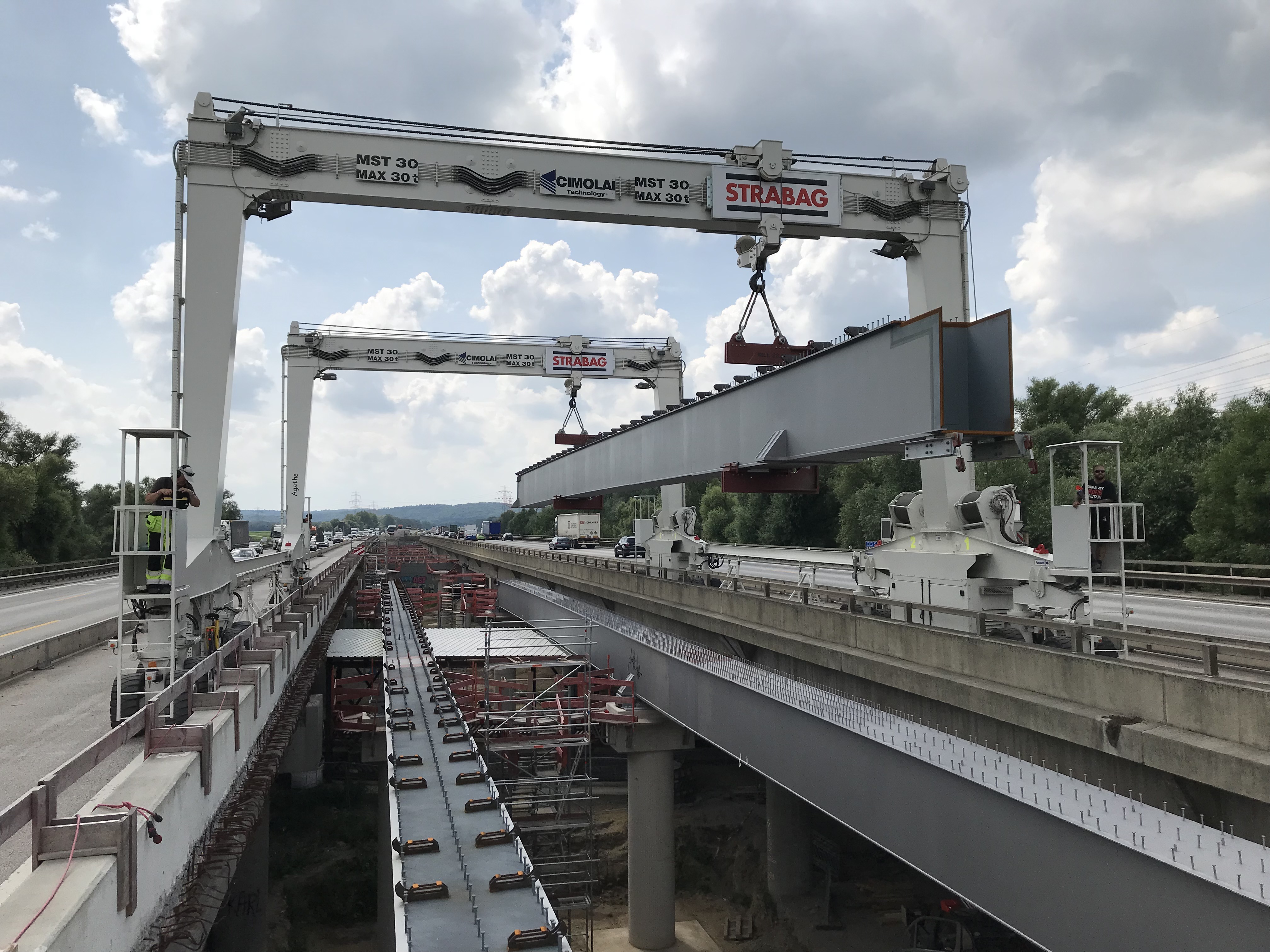
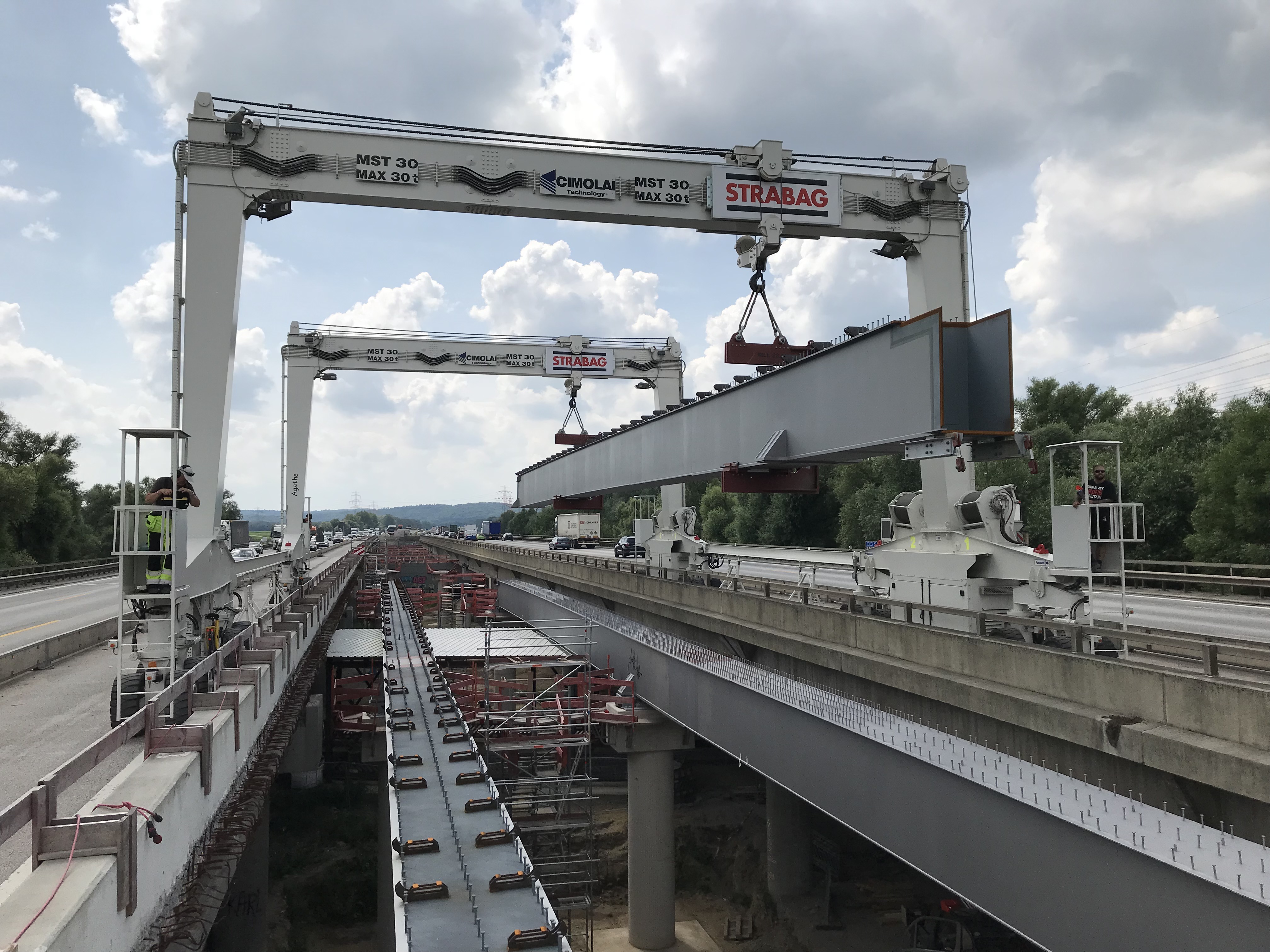
The existing flyover dates from the 1970s and had reached the limits of its capacity given today’s traffic volume of more than 100,000 vehicles per day. As part of the expansion, major changes were made to the existing bridge structure. The 3.84-kilometre-long section crosses eleven roads, two railway lines and a harbour basin, and is supported by almost 1,000 piers. For the extension, 177 new piers were founded and erected. The removal and reconstruction of ten so-called ‘mega-piers’ presented particular challenges. The work was carried out on a confined construction site whilst traffic continued to flow.
Breaking new ground for a mega-project
The digital planning method Building Information Modelling (BIM) was used to coordinate the complex construction processes. With the aid of a digital model, planning, construction and logistics processes could be coordinated, and potential conflicts between construction activities and traffic management could be identified at an early stage. This was the first time STRABAG had used BIM in bridge construction on a project of this scale.
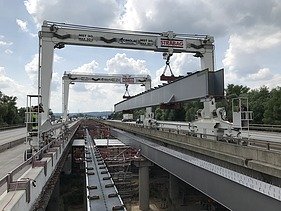
A modular bridging structure of the MAURER Modular Bridging System (MMBS) type was also used for the demolition and reconstruction of the piers whilst maintaining traffic flow. This temporary structure enabled key construction phases to be carried out whilst maintaining traffic flow. Only brief road closures were required for the installation of the system.
| Construction period | 20 May – 26 September |
| Client | DEGES Deutsche Einheit Fernstraßenplanungs- und -bau GmbH |
| Route length | 3.84 km |
| Bridge deck | 188,000m² ( the size of 26 football pitches) |
| Crossings | 11 transport routes + 2 railway lines + 1 harbour basin |
| Supports | Around 1,000 columns support the elevated road, 177 of which have been newly founded and constructed |
| Hollow box girder | 195 – up to 59 metres long |
| Mega-pylons | 10 (rebuilt and reconstructed whilst traffic continues to flow) |
| Bridges with road signs | 19 newly built – up to 43.5 m long / weighing 41 t |
| Further details | Completely refurbished bridge drainage system 4 rainwater retention basins and 5 pumping stations, including technical equipment |