STRABAG is tests a partially electric construction site in Oberhausen
5 August 2026
-
-
-
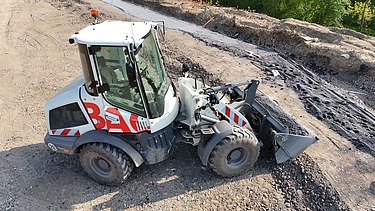
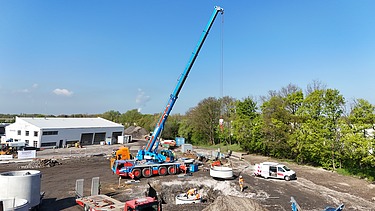
- STRABAG has carried out the refurbishment of the soil treatment plant in Oberhausen using a partially electric approach
- Pilot project demonstrates the potential for low-emission civil engineering, provides important insights and shows what is already possible today
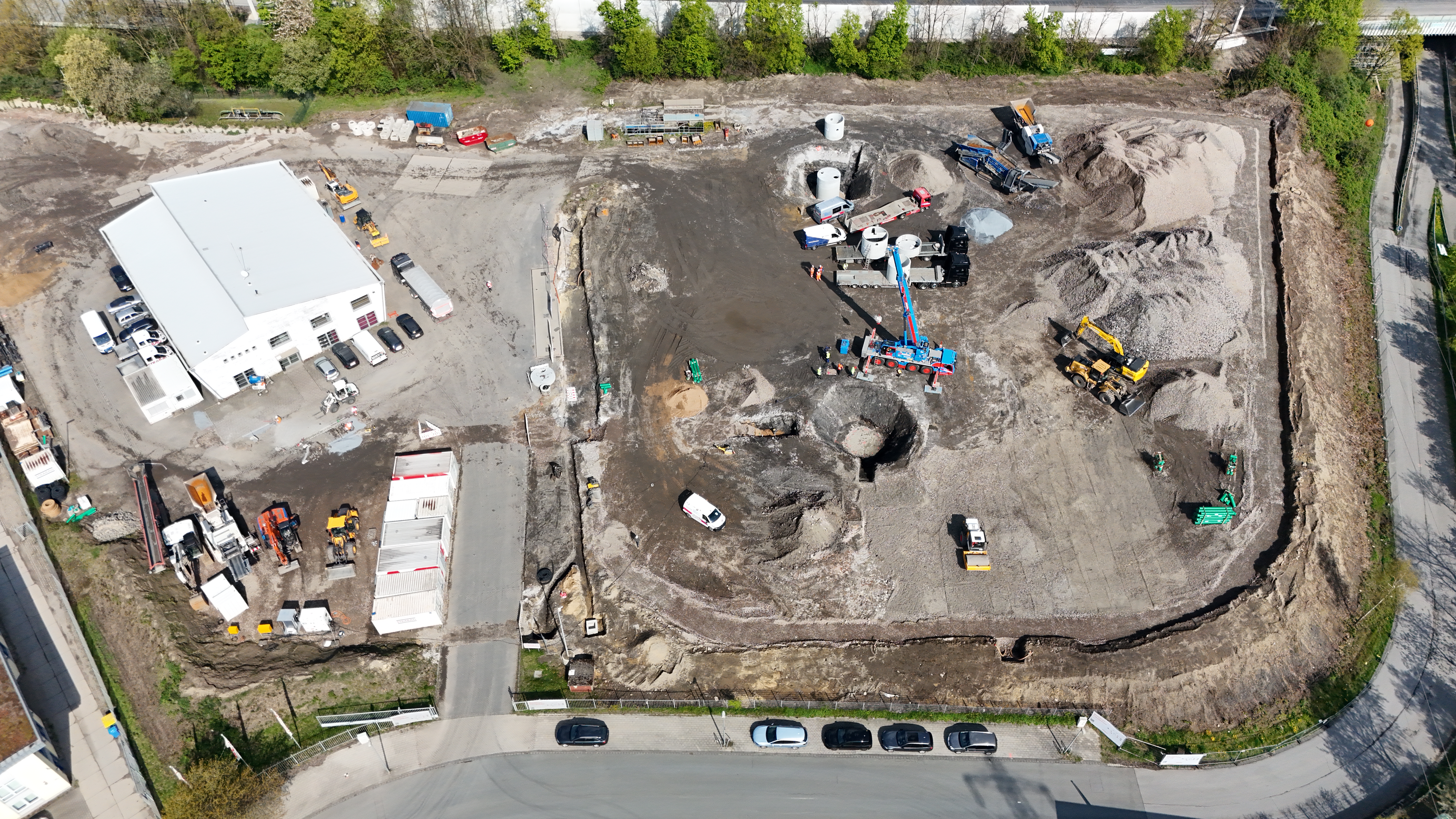
STRABAG AG has successfully completed the refurbishment of its existing soil treatment plant at its Oberhausen site and tested the system in real-world conditions on a partially electrified construction site. The aim was to test the technical performance of electric construction machinery under real-world site conditions and to provide valuable practical insights for future use.
Expansion of the soil treatment plant
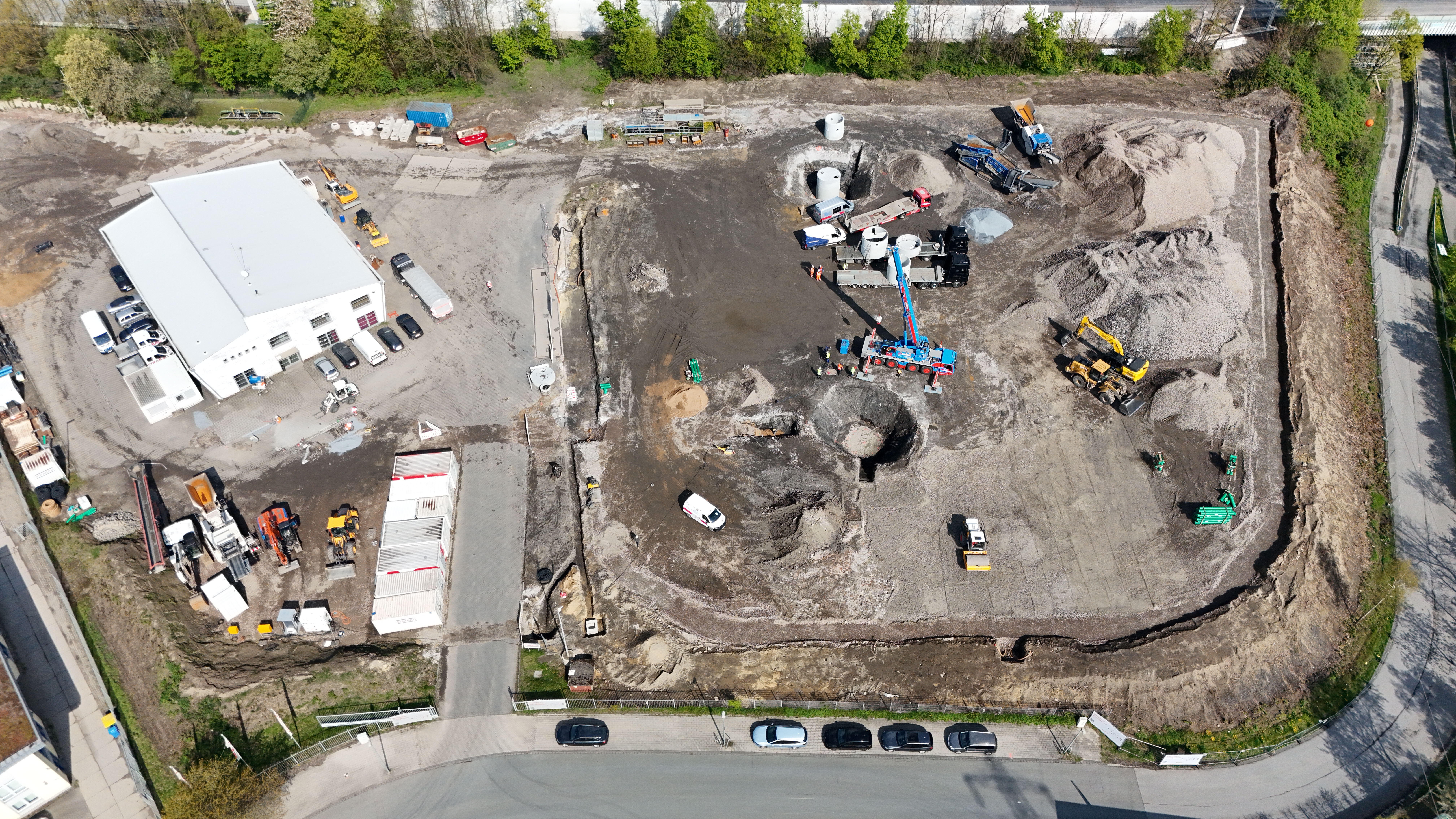
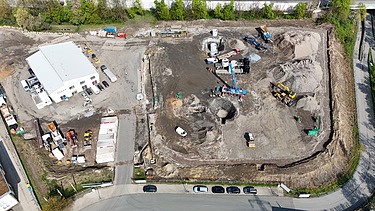
Through the refurbishment of the soil treatment plant, STRABAG increased the permissible input volume from 120,000 tonnes to 350,000 tonnes per year. On the site, which covers an area of around 17,600 m², the project team carried out extensive demolition, earthworks, civil engineering and asphalting work and created new storage capacity. Work began with the demolition of existing soil treatment areas and perimeter embankments, totalling around 20,000 tonnes. The surface pavements were subsequently processed and reused as a recycled sub-base for the redesign of the areas. In this way, the project consistently focuses on resource conservation and the circular economy in its construction site operations.
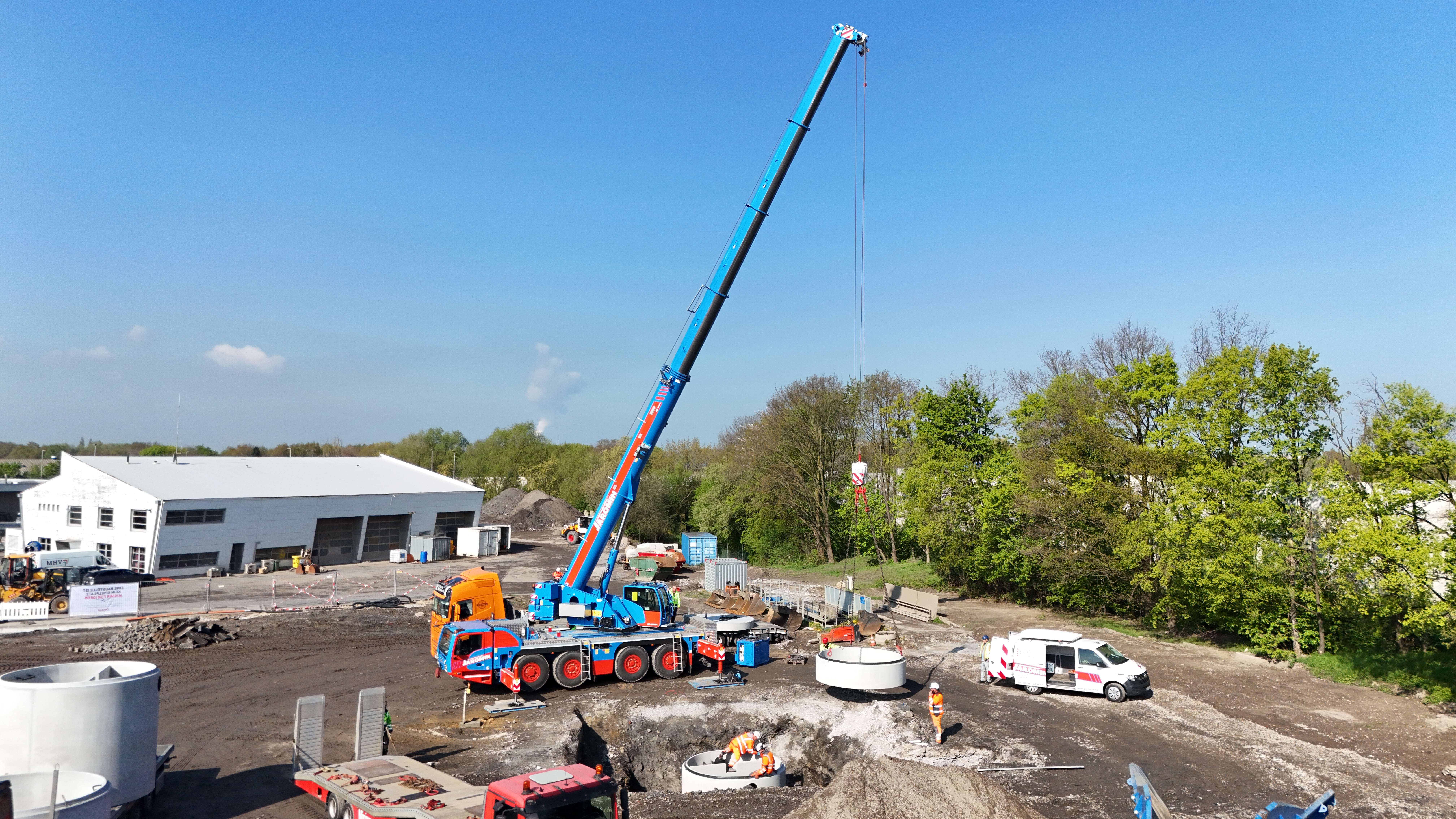
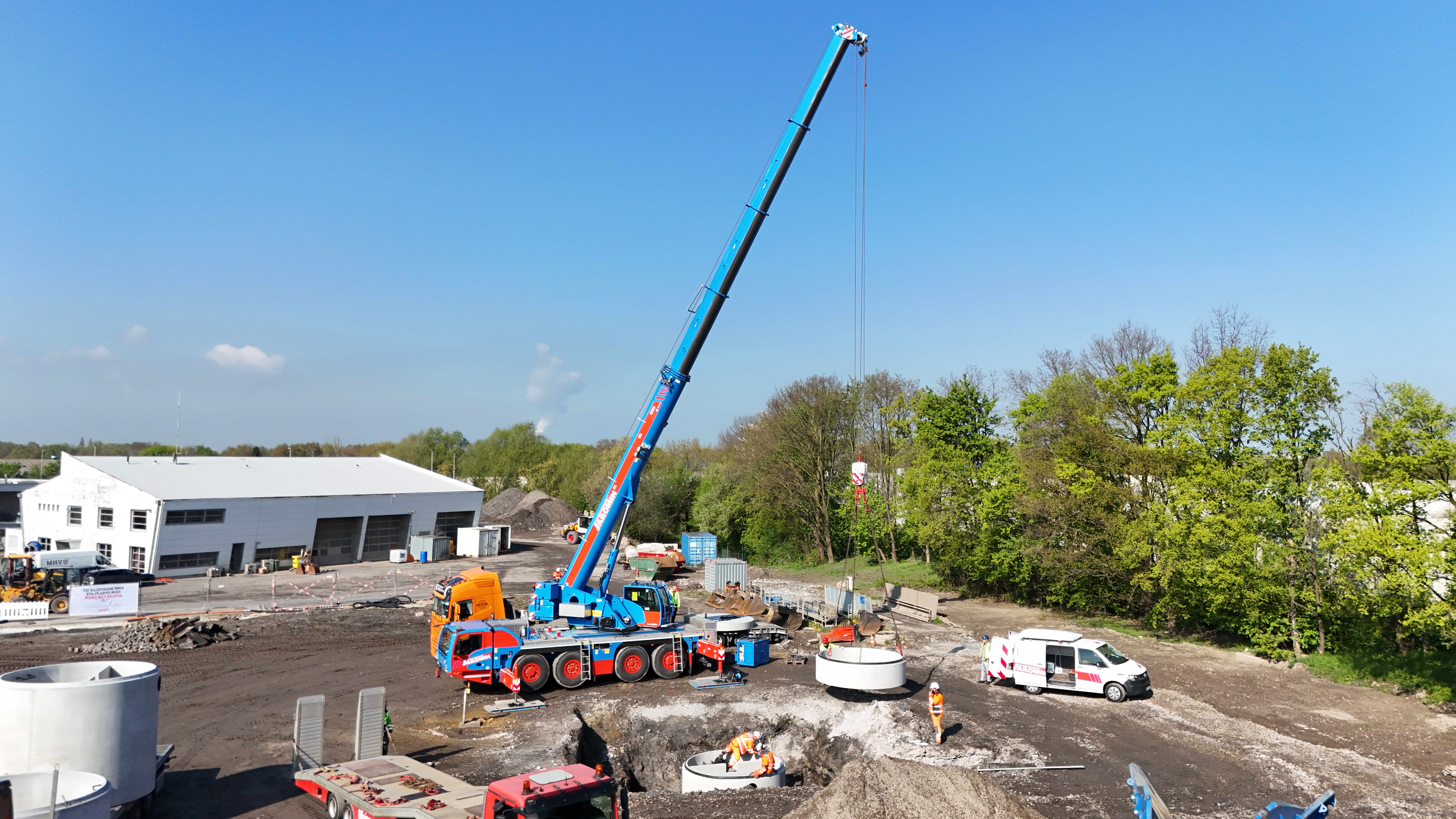
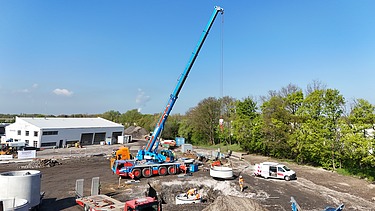
As part of the redesign of the surface drainage system, STRABAG laid around 128 metres of PVC pipework. Two precast concrete shafts with integrated lamella clarifiers for treating surface water were installed using an electric mobile crane. In addition, a treatment area of around 7,400 m² was created with a two-layer asphalt structure on a base and frost-protection layer made from recycled materials.
Electrification tested in real-world operation
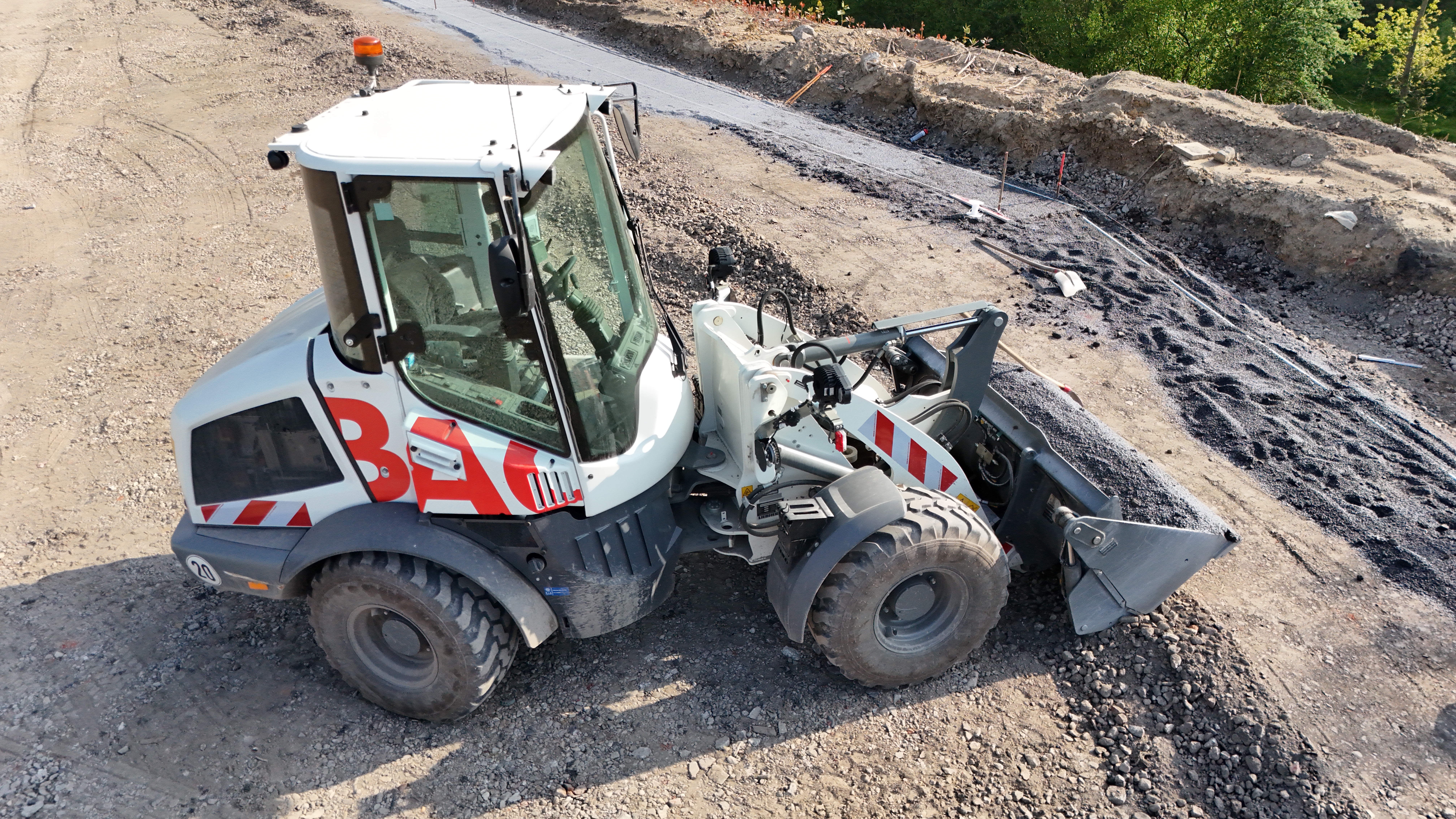
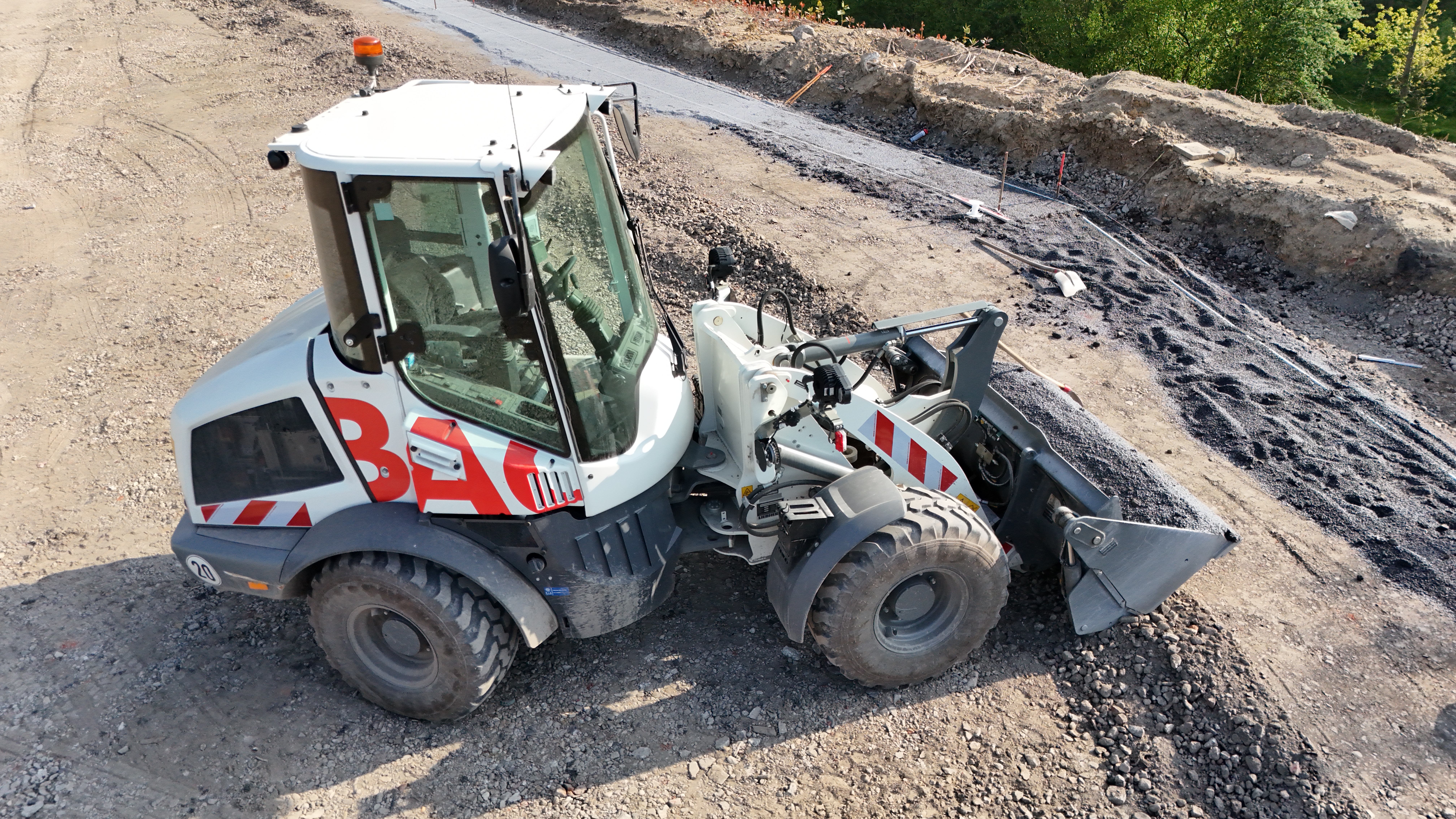
A particular focus of the project was on integrating large-scale electrically powered machinery into day-to-day construction site operations. Eleven electric machines were used, including a 25-metric-tonne excavator, a wheel loader, a mobile crane and a road paver.
To cope with peak loads, a mobile battery storage system with a capacity of 153 kWh was installed, ensuring a reliable supply of green electricity to the machinery in use.
The results of the field trial show that heavy electric construction machinery, in particular, is already achieving a level of performance comparable to that of conventional diesel-powered equipment. Colleagues on the construction site benefit from reduced noise emissions and a reduction in direct pollutant emissions. In purely mathematical terms, this has resulted in a saving of around 18,000 kg of CO₂. The currently higher equipment costs are partially offset by the low running costs. Another advantage is that operating and maintenance costs are significantly lower than for diesel-powered machinery. At the Oberhausen construction site, for example, energy costs were reduced by around 90 per cent. However, there are still challenges to be overcome before widespread adoption can take place. Electric construction machinery is not yet available everywhere or in every size. Furthermore, the options for setting up an efficient charging infrastructure on construction sites are limited, depending on the location.
A practical hybrid approach
To complete the construction site in the shortest possible time, STRABAG adopted a practical hybrid approach. Alongside the electric construction fleet, conventional machinery was also used, all of which was powered entirely by the renewable fuel HVO100. STRABAG also fuelled its logistics vehicles with this diesel substitute.