Decarbonization of the construction industry: Hydrogen wheel loader starts practical test
3 November 2025
-
-
- Hydrogen-powered wheel loader to deliver key insights for the sustainable operation of large construction machinery
- Green drivetrain technologies are a central lever in the company’s decarbonisation strategy
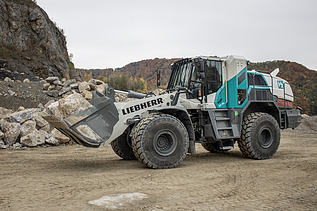
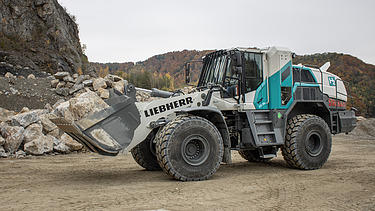
A hydrogen-powered wheel loader from Liebherr has now gone into operation at the Kanzelstein quarry in Gratkorn. STRABAG will be testing the new machine intensively over a two-year period, running it at least 50 hours per week. Fuels represent STRABAG’s largest source of CO₂ emissions – around 40 percent of total Group emissions are attributable to the diesel consumption of its construction machinery, commercial vehicles and passenger cars.
The coming years will be crucial for the company’s transition from fossil to renewable energy sources. In this regard, STRABAG has committed itself to the global Science Based Targets initiative (SBTi). By 2030, the company aims to reduce its Scope 1 and 2 emissions – the greenhouse gases directly within STRABAG’s control – by 42 percent. Three central levers have been defined for achieving this goal: the vehicle fleet, the construction machinery, and the asphalt mixing plants.
In-house filling station to deliver green hydrogen
Converting heavy construction machinery to sustainable drive technologies remains a challenge, as there is still no market-ready solution. The hydrogen engine of the wheel loader represents an important approach with great potential.
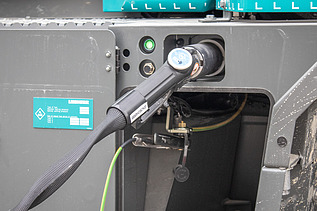
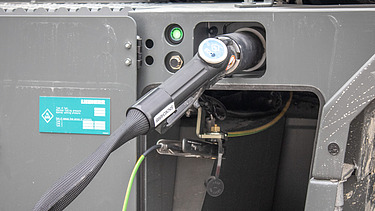
For the practical test, a dedicated hydrogen filling station has been set up at the quarry to allow straightforward refuelling of the wheel loader. As a strong regional partner, Energie Steiermark contributes vital local expertise and will ensure the hydrogen supply for the station on site.
According to internal calculations, operating the hydrogen-powered wheel loader will save around 37,500 litres of diesel and cut CO₂ emissions by approximately 100 tonnes per year. The hydrogen engine produces no climate-damaging emissions. To ensure maximum utilisation, the wheel loader will be deployed both in essential quarry operations and at the site’s asphalt mixing plant.